
Introduction: Why the Right Door and Lock Combination Matters
In Pakistani homes, shops and offices, a door does far more than separate two rooms. It is the first line of security, a major part of the home’s look, and one of the most-used pieces of hardware in the building. A strong door fitted with a weak or wrongly sized lock is a wasted investment, while a well-chosen mortise lock can make even an ordinary door feel solid, private and secure.
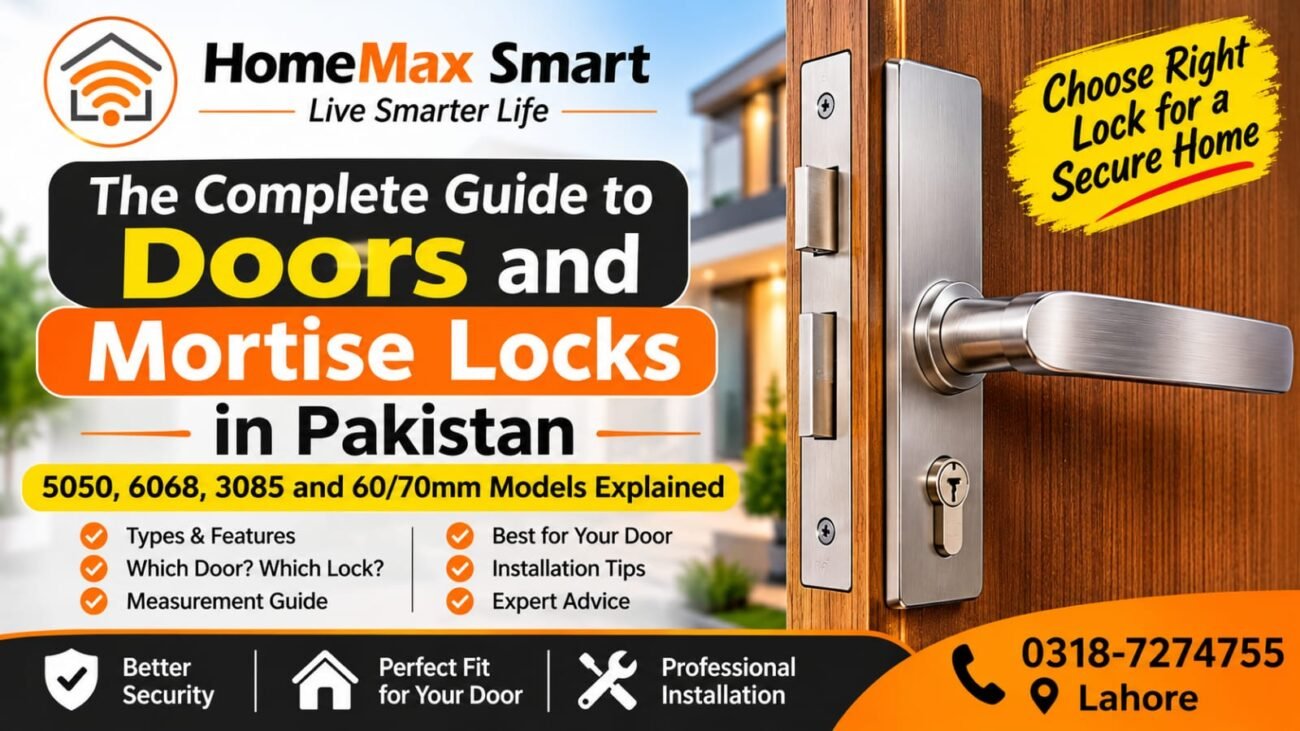
This guide brings everything together in one place. You will learn what a mortise lock is, how the 5050, 6068 and 3085 models differ, when to use a 60/70mm adjustable latch or a 60/70mm deadbolt, which lock suits which door (bedroom, main entrance, aluminium, pivot or handle-style), how the door materials common in Pakistan compare, and how to measure, buy and install correctly.
What Is a Mortise Lock?
A mortise lock is a door lock that typically combines a latch and a deadbolt in one unit. It is installed in a pocket, called the mortise, which is cut into the edge of the door. Because the locking components sit inside the door itself, there is no bulky hardware on the surface, which gives a clean, premium look.
Mortise locks offer increased security and privacy compared with many other lock types, since their internal mechanisms are not visible or easily reached from outside. Many include a built-in cylinder that can be operated with a key for added protection. They are harder to install than surface or tubular locks, because the pocket must be cut accurately, but they give greater protection for any home or business.
Parts of a Mortise Lock
- Lock body (case): the metal box inside the door that holds the mechanism.
- Faceplate (fore-end): the visible plate on the door edge. Its width and length must match the cut-out.
- Latch bolt: the spring-loaded tongue that holds the door closed.
- Deadbolt: the solid bolt that moves only when the key or thumb-turn is operated.
- Hook bolt: a hooked bolt used on sliding doors that grips the frame.
- Spindle: the square shaft through which the handle turns the latch.
- Cylinder: the key mechanism.
- Strike plate: the plate on the frame that receives the bolts.
- Escutcheon: the plate around the keyhole and handle on the door face.
Backset and Centre Distance: The Two Numbers That Matter Most
- Backset: the distance from the door edge to the centre of the spindle hole or keyhole.
- Centre distance (C/C): the spacing between the handle spindle and the cylinder keyhole.
These numbers are why lock names such as 6068 and 3085 exist. If you get them wrong, the handle and key will not line up with the door.
Mortise Lock Models at a Glance
| Model | Key Specification | Best For |
|---|---|---|
| 5050 Mortise | 22 mm faceplate, 125–200 mm lengths | Interior passage and room doors |
| 6068 Mortise | 60 mm backset, 68 mm centre distance | Main entrance and heavy internal doors |
| 3085 Mortise | 30 mm backset, 85 mm centre distance, hook style | Sliding, patio, grille and aluminium doors |
| 60/70mm Adjustable Latch Mortise | Switchable 60 mm or 70 mm backset | Bedroom, bathroom and closet replacements |
| 60/70mm Deadbolt Mortise | Fixed bolt, 60 or 70 mm backset | Handle-less and pivot doors |
Note: model codes can vary slightly between manufacturers. Always confirm dimensions on the product page or spec sheet before ordering.
HomeMax Smart Mortise Lock Products
| Mortise Type | HomeMax Smart Product | Best For |
|---|---|---|
| 5050 Mortise | Fingerprint Door Lock | Interior and room doors |
| 6068 Mortise | AI Palm Vein & Face Recognition Smart Door Lock | Main entrance and heavy doors |
| 60/70mm Adjustable Latch | Smart Handle Door Lock with Biometric | Bedroom, bathroom and closet doors |
| 60/70mm Deadbolt | Smart Deadbolt Door Lock | Handle-less and pivot doors |
5050 Mortise Lock: Smooth Operation for Interior Doors
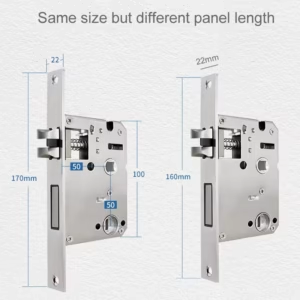
The 5050 mortise lock is a popular choice for interior passage and room doors. Typical specifications include:
- Faceplate width: 22 mm
- Faceplate length options: about 125 mm to 200 mm, with common sizes of 22 x 125 mm, 22 x 160 mm and 22 x 180 mm
- Door thickness: usually suitable for doors from about 35 mm to 50 mm
Where to Use a 5050
- Wooden interior doors in houses and apartments
- Steel-framed and composite room doors
- Offices, clinics, hostels and hotel rooms that need a smooth latch with an optional locking tongue
Why Choose It
A 5050 gives quiet latch action, simple replacement of older locks, and a wide choice of matching handles. It is a sensible, budget-friendly option when you need reliable everyday function without heavy-duty security.
Shop now: Fingerprint Door Lock – 5050 mortise
6068 Mortise Lock: The Standard for Main Entrance Doors
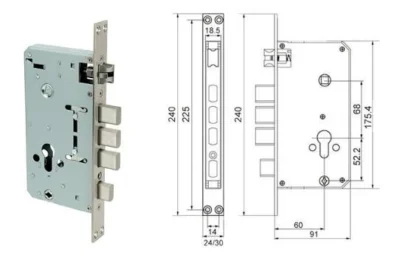
A 6068 mortise lock follows a standard specification where 60 mm is the backset and 68 mm is the centre distance between the handle spindle and the cylinder keyhole. It is one of the most widely used sizes for main entrance doors and heavy internal doors in homes.
Why 60 and 68?
The 60 mm backset puts the handle far enough from the frame to protect your knuckles and give a comfortable grip. The 68 mm spacing suits common cylinder-and-handle combinations, so you have many compatible handle sets to pick from.
Best Uses
- Main doors of houses, flats and villas
- Heavy wooden and steel doors that need latch plus deadbolt together
- Internal doors where extra strength or privacy is wanted
Buying Tips
- Match the cylinder length to the door thickness and escutcheon so it does not stick out.
- Choose a strong strike plate and long screws for extra resistance.
- Pair with a quality cylinder and lever or pull handle.
Shop now: AI Palm Vein & Face Recognition Smart Door Lock – 6068 mortise | Main Entrance Door Locks | Steel Security Door Lock
3085 Mortise Lock: Sliding, Patio and Aluminium Doors
A 3085 mortise lock is commonly described as having a 30 mm backset and 85 mm centre distance. It is a mechanical lock case designed to be pocket-mounted into the door edge, often supplied as a hook-bolt or double-hook mortise lock, because a standard straight deadbolt does not work on many sliding systems.
Typical Applications
- Sliding and patio doors: timber, aluminium or metal-framed sliders and pocket doors where a hook bolt grips the frame.
- Sliding grilles and security doors: two-point or hook-style latching for grilles and gates.
- Aluminium and glass panel doors: narrow-stile or swing-mortise bodies for slim aluminium-framed glass doors and commercial panels.
Because aluminium frames are narrow, a compact body is essential. A wide lock simply will not fit.
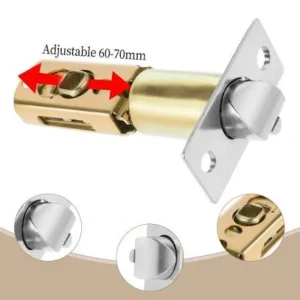
60/70mm Adjustable Latch Mortise: One Lock, Two Backsets
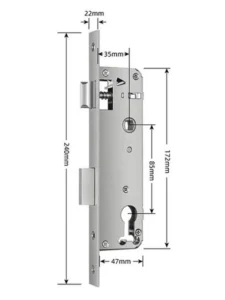
A 60/70mm adjustable latch mortise, often called an adjustable tubular mortise latch, is a concealed door mechanism that lets you switch the backset between 60 mm (about 2-3/8 inch) and 70 mm (about 2-3/4 inch).
Why It Is So Useful
When you are replacing a broken or worn latch and are unsure of the original measurement, one adjustable body covers both common sizes. That means fewer wrong purchases and less time wasted.
Ideal For
- Replacing damaged interior door latches on bedrooms, bathrooms and closets
- Rental properties, renovations and projects with mixed door sizes
- Quick upgrades without cutting a new mortise
Shop now: Smart Handle Door Lock with Biometric – 60/70mm adjustable latch | Lock Repair & Replacement
60/70mm Deadbolt Mortise: For Handle-less and Pivot Doors
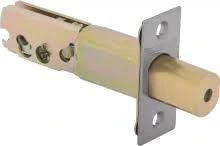
A 60/70mm deadbolt mortise is a mortise lock body, or tubular deadbolt mechanism, with a selectable backset of 60 mm (about 2-3/8 inch) or 70 mm (about 2-3/4 inch). It is used for handle-less doors and pivot doors where a separate latch is not required.
How It Differs From a Latch
Unlike a latch, the deadbolt is fixed and does not move automatically. It operates only when the lock is activated with the key or thumb-turn. This makes it suitable for doors designed to be pushed or pulled open, without a traditional door handle.
Important Reminder
Because there is no spring latch holding the door shut, the door stays closed only if you lock it. Pair the deadbolt with a quality pull handle and a strong cylinder.
Shop now: Smart Deadbolt Door Lock – 60/70mm deadbolt mortise | Deadbolt Mortise Locks
Choosing a Mortise Lock by Door Type
Bedroom Doors
Specific mortise mechanisms designed for bedroom doors focus on privacy, quiet operation and easy handle fitting. Options include the 5050 and the 60/70mm adjustable latch. See Bedroom Door Locks.
Main Entrance Doors
Heavy-duty mortise mechanisms for main entrance doors combine latch and deadbolt for stronger security. The 6068 is the usual choice. See Main Entrance Locks.
Aluminium Locks
Mechanisms designed for aluminium frame and security doors need slim bodies and hook-style bolts, such as the 3085.
Pivot Doors
Special mortise mechanisms suitable for pivot door systems rely on a fixed deadbolt, such as the 60/70mm deadbolt mortise
Handle-Style Doors
Mortise mechanisms designed for different handle-lock configurations let you match the body to lever sets, handle-on-plate sets or custom handles.
Door Types Common in Pakistan and the Locks That Suit Them
| Door Type | Typical Use | Recommended Mortise Lock |
|---|---|---|
| Wooden (Deodar, Sheesham, Kail) | Main and interior doors | 6068 for main, 5050 for rooms |
| Steel security door | Main entrance, shops | 6068 with strong cylinder |
| PVC / uPVC door | Bathrooms, kitchens | 60/70mm adjustable latch |
| Aluminium and glass | Balconies, offices, patios | 3085 hook mortise |
| Pivot door | Modern entrances | 60/70mm deadbolt |
Climate and Local Conditions
Pakistan’s weather ranges from the humid coast of Karachi to the dry heat of Multan and the cold of the northern areas. Wooden doors can swell or shrink with humidity, so leave small clearances and check alignment after monsoon season. Dusty conditions mean latches need regular cleaning and dry lubrication, and coastal air speeds up corrosion, so choose stainless steel or well-plated bodies there.
Mortise vs Tubular Latch vs Rim Lock
- Mortise lock: body hidden inside the door; strong, premium, and normally latch plus deadbolt together. Harder to install.
- Tubular latch: a simple cylinder-shaped latch in a bored hole; cheap and easy, suited to light interior use.
- Rim lock: mounted on the surface; simple to fit but visible and less refined.
For main doors and any door where security and finish matter, mortise is normally the stronger choice.
How to Measure for a Mortise Lock (Step by Step)
- Measure the backset from the door edge to the centre of the spindle hole.
- Measure the centre distance between the spindle and the keyhole.
- Check door thickness against the lock’s supported range (for example 35–50 mm for many 5050 models).
- Measure the faceplate width and length so it sits flush on the edge.
- Choose the function: latch only, latch plus deadbolt, deadbolt only or hook bolt.
- Match the cylinder and handle to the cut-outs and your security needs.
Need help? Book measurement and installation.
Installation Tips and Common Mistakes
- Cut the mortise pocket cleanly and keep the faceplate flush.
- Align the strike plate carefully so the latch enters smoothly.
- Do not over-tighten screws, which can bind the mechanism.
- Use a cylinder of the correct length.
- Never force a stiff key; check door alignment first.
- Because installation is more demanding than other lock types, consider a professional fitter.
Maintenance
- Lubricate the latch and bolt once or twice a year with dry or graphite lubricant.
- Tighten handle screws regularly.
- Clean dust from the faceplate area, especially in dusty cities.
Frequently Asked Questions
What is a mortise lock? A lock that usually combines a latch and a deadbolt in one body, fitted into a pocket cut in the door edge so the mechanism is hidden inside the door.
What does 6068 mean? It refers to a 60 mm backset and a 68 mm centre distance between the handle spindle and the cylinder keyhole.
Which mortise lock is best for a main door? The 6068 is widely used for main entrances and heavy internal doors because it combines latch and deadbolt in a strong body.
Which lock suits sliding aluminium doors? A hook-bolt style like the 3085 is usually better suited than a straight deadbolt.
Can I use a 60/70mm adjustable latch on a bathroom door? Yes. It is commonly used on bedroom, bathroom and closet doors, especially as a replacement.
Do deadbolt mortise locks need a handle? No. They are intended for handle-less and pivot doors that are pushed or pulled open.
Is a mortise lock more secure than a tubular lock? Generally yes, thanks to the heavier body and the combined latch and deadbolt, with the mechanism hidden in the door.
Are mortise locks hard to install? They need more skill because a pocket must be cut accurately, so many buyers use a professional.
Conclusion
Homemax smart matching the lock to the door is the secret to long-lasting security. Use the 5050 for interior doors, the 6068 for main entrances and heavy doors, the 3085 for sliding and aluminium doors, the 60/70mm adjustable latch for flexible replacements and the 60/70mm deadbolt for handle-less and pivot doors. Measure carefully, pick the right cylinder and handle, and install with care.